Effective Treatment Methods for Pests: What You Need to Know

Pests can disrupt your home or business quickly. They damage property, spread disease, and create an uncomfortable environment. You need effective solutions that work fast and last long. I will guide you through proven pest control treatment methods that deliver reliable results. These methods are practical, safe, and tailored to protect your space in Los Angeles and Orange County.
Understanding Effective Treatment Methods for Pests
To tackle pests effectively, you must understand the treatment options available. Each pest requires a specific approach. Some methods focus on prevention, while others eliminate existing infestations. Knowing the right method helps you act decisively and avoid wasted effort.
Here are the main categories of pest control treatments:
Chemical Treatments: Use pesticides designed to kill or repel pests.
Biological Control: Employ natural predators or parasites to reduce pest populations.
Physical Control: Use barriers, traps, or manual removal.
Cultural Control: Modify the environment to make it less attractive to pests.
Each method has strengths and limitations. Combining them often produces the best results. For example, sealing entry points (physical control) alongside targeted pesticide use (chemical treatment) can stop pests from returning.

Chemical Treatments: Precision and Power
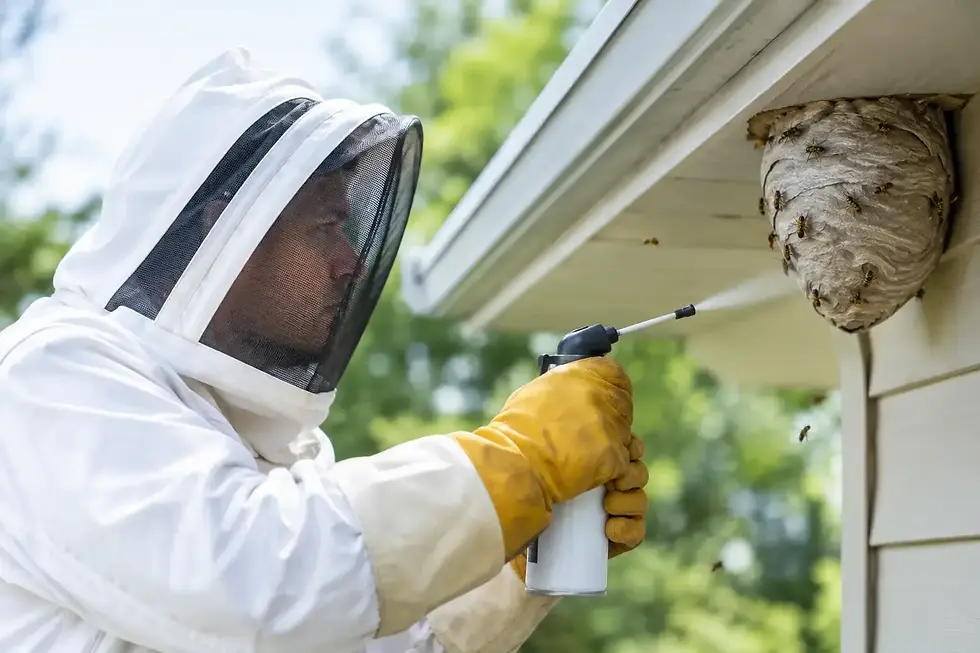
Chemical treatments remain a cornerstone of pest control. They provide quick knockdown of pests and can be applied in various forms:
Sprays and Dusts: Applied directly to infested areas or pest pathways.
Baits: Poisoned food that pests consume and carry back to nests.
Fumigation: Gas treatment for severe infestations in enclosed spaces.
Use chemicals responsibly. Always follow label instructions and safety guidelines. Choose products approved for residential or commercial use in your area. Professional application ensures the right dosage and placement, minimizing risks to people and pets.
Chemical treatments excel against ants, cockroaches, termites, and rodents. They also work well for seasonal pests like mosquitoes and flies. However, overuse can lead to resistance. Rotate products and integrate other methods to maintain effectiveness.
Physical and Mechanical Controls: Immediate Barriers and Removal
Physical control methods provide immediate relief and prevent pest access. These include:
Sealing Cracks and Gaps: Block entry points around doors, windows, and foundations.
Installing Screens and Door Sweeps: Keep flying insects and rodents out.
Traps: Use sticky traps, snap traps, or electronic traps to catch pests.
Manual Removal: Vacuuming or handpicking pests when feasible.
These methods are safe, chemical-free, and environmentally friendly. They work best when combined with other treatments. For example, sealing entry points after a chemical treatment prevents reinfestation.
Regular inspection and maintenance are crucial. Check for new openings and repair damage promptly. Physical controls reduce reliance on chemicals and improve long-term pest management.

Biological and Cultural Controls: Sustainable Pest Management
Biological control uses natural enemies to keep pests in check. Examples include:
Introducing ladybugs to control aphids.
Using nematodes to target soil-dwelling pests.
Encouraging birds or bats that feed on insects.
Cultural controls involve changing your environment to discourage pests:
Proper waste management to eliminate food sources.
Reducing standing water to prevent mosquito breeding.
Maintaining clean, clutter-free spaces.
These methods support a balanced ecosystem and reduce chemical use. They require patience and ongoing effort but provide sustainable pest control.
Choosing the Right Pest Control Treatment Methods for Your Property
Selecting the best treatment depends on several factors:
Type of Pest: Identify the pest species accurately.
Severity of Infestation: Minor issues may need simple fixes; severe infestations require professional intervention.
Property Type: Residential or commercial spaces have different needs.
Safety Concerns: Consider children, pets, and sensitive environments.
Budget and Preferences: Balance cost with effectiveness and environmental impact.
I recommend consulting with a trusted pest control service that understands local pest challenges. They can tailor a plan using a combination of methods for maximum impact.
For reliable and safe pest control treatment methods, explore Catch Bugs Pest Control’s services. Their expertise ensures your property stays pest-free with transparent pricing and excellent customer care.
Maintaining Pest-Free Spaces: Your Role in Prevention
Effective pest control does not end with treatment. You must maintain your property to prevent future problems. Here’s what you can do:
Regular Inspections: Check for signs of pests monthly.
Cleanliness: Keep kitchens, storage areas, and outdoor spaces tidy.
Proper Food Storage: Use sealed containers and dispose of garbage promptly.
Moisture Control: Fix leaks and reduce humidity.
Landscaping: Trim vegetation away from buildings.
Stay vigilant and act quickly at the first sign of pests. Early intervention saves time and money.
By understanding and applying these effective treatment methods for pests, you take control of your environment. Use a combination of chemical, physical, biological, and cultural strategies to protect your home or business confidently. Remember, professional help is available to guide you through every step. Together, we can keep your space safe, comfortable, and pest-free.


Comments