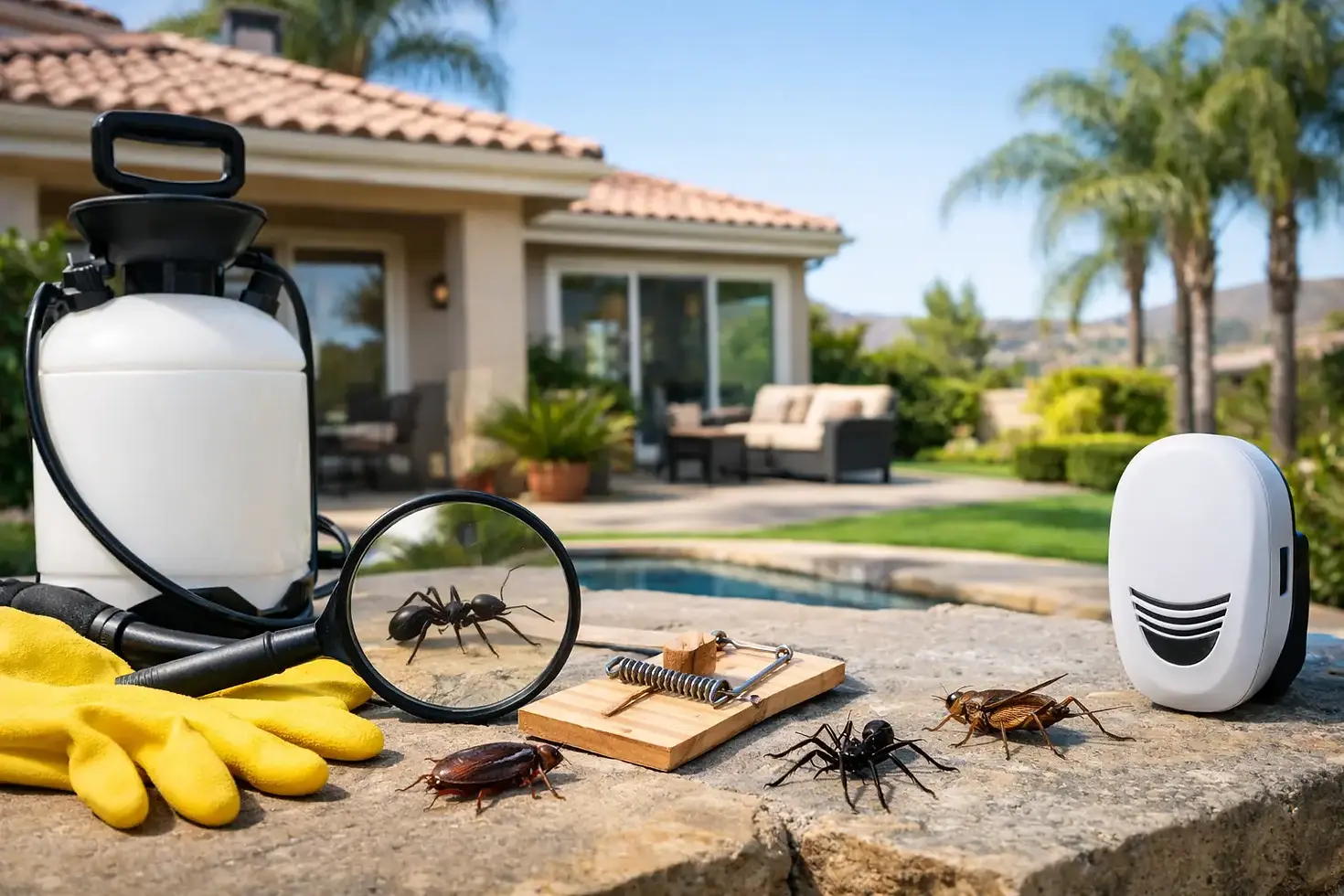
Home Pest Prevention Guide for Southern California
- Andre Song
- Jul 17
- 5 min read

A single trail of ants across the kitchen counter or a scratching sound behind a wall can change how home feels overnight. This home pest prevention guide focuses on the practical habits that make your property less inviting to common Southern California pests, without turning daily life into a constant cleaning project.
Pest prevention works best when it is consistent and targeted. Ants, roaches, rodents, and spiders do not need a messy home to become a problem. In Los Angeles and Orange County, warm weather, dense neighborhoods, older structures, landscaping, and nearby construction can all create easy pathways indoors. The goal is to remove food, water, shelter, and access before a small sighting becomes an infestation.
Start With the Routes Pests Use to Get Inside
Most pests do not appear out of nowhere. They enter through small openings around doors, windows, utility lines, pipes, vents, and foundations. A gap that seems too small to matter can be enough for ants, roaches, spiders, or young rodents.
Walk the exterior of your home in daylight and look closely at the areas where different materials meet. Check weather stripping on exterior doors, damaged window screens, gaps around air-conditioning lines, and openings beneath garage doors. Seal cracks with an appropriate exterior-grade material, replace worn sweeps, and repair screens that no longer sit tightly in their frames.
Pay special attention to the kitchen, laundry room, bathrooms, and garage. These spaces often have plumbing or utility penetrations that connect directly to wall voids. Sealing access points is one of the most durable prevention steps because it addresses the reason pests can return after cleaning or treatment.
Make Food Less Available, Not Just Less Visible
Pests are highly efficient at finding crumbs, grease, pet food, and overlooked pantry items. The issue is rarely one big spill. More often, it is a steady supply of small food sources that keeps activity going.
Wipe counters and stovetops after cooking, especially around burners and small appliances. Sweep or vacuum beneath the dining table and along cabinet edges where crumbs collect. Store dry goods in sealed containers rather than relying on thin cardboard boxes or loosely folded bags. If you keep fruit on the counter, inspect it often and remove anything overripe.
Pet bowls deserve the same attention. Leaving food out all day can attract ants and roaches, while dry kibble stored in a garage may also draw rodents. Serve meals on a schedule when practical, clean the feeding area, and keep bulk pet food in a sturdy sealed bin.
Trash is another common attractant. Use a can with a secure lid, empty it regularly, and rinse containers that hold sugary drinks, sauces, or food residue. Outdoor bins should stay closed and be positioned away from doors and windows when possible.
Control Moisture Where Pests Expect It
Water is often the missing piece in a pest problem. Roaches, ants, and rodents can survive on very little food when a dependable water source is nearby. A slow drip under a sink may be enough to support ongoing activity behind cabinets or walls.
Check under sinks, around refrigerator water lines, near dishwashers, and at the base of toilets for leaks or condensation. Dry wet sponges and dishcloths overnight instead of leaving them in a damp pile. In bathrooms, run the exhaust fan during and after showers, and address persistent moisture around tubs, showers, or windows.
Outside, avoid overwatering landscape beds that sit against the home. Make sure sprinklers are not repeatedly soaking the foundation, exterior walls, or patio doors. Standing water in clogged gutters, plant saucers, and unused containers should be removed. Healthy landscaping and proper drainage help protect the property as much as the interior does.
Rethink the Spaces That Create Shelter
Pests prefer areas where they can hide undisturbed. Clutter does not cause an infestation by itself, but it gives pests more protected places to nest, feed, and travel unnoticed.
In garages, storage rooms, and closets, keep cardboard boxes off the floor where possible and avoid stacking them tightly against walls. Plastic storage totes with fitted lids are easier to inspect and less inviting to roaches and rodents. Clear out paper bags, old packaging, and unused items that have been sitting untouched for long periods.
Outside, trim tree branches and dense shrubs so they do not rest against the structure. Keep firewood, lumber, and stored materials elevated and away from the home. Thick ground cover, leaf piles, and crowded planters near entry points can support insects and spiders, then give them a short route indoors.
A Home Pest Prevention Guide for Common Local Problems
Different pests leave different clues, and prevention should match what you are seeing. Ants often follow moisture and food trails, so cleaning active pathways and sealing entry gaps matter most. Avoid spraying random indoor products directly on visible ants without identifying the source. Some treatments can scatter activity temporarily while leaving the colony established nearby.
Roaches favor warmth, moisture, and hidden food residue. Focus on kitchen sanitation, leak repair, sealed food storage, and reducing cardboard clutter. Seeing roaches during the day can indicate heavier activity, particularly if you also notice droppings, shed skins, or a persistent musty odor.
Rodents need access and shelter more than a large food supply. Look for droppings, gnaw marks, greasy rub marks near walls, or scratching at night. Close gaps around the exterior first, but do not seal an opening if you suspect rodents are currently trapped inside. A professional inspection can determine the safest order of exclusion and removal.
Spiders are often a sign that other insects are available as prey. Keep exterior lights away from doors when feasible, reduce insect-attracting debris, and remove webs around eaves, windows, and patios. While most spiders are not aggressive, use care around dark storage areas and contact a professional if you suspect venomous species.
Know When Prevention Needs Professional Support
Home maintenance can prevent many pest issues, but some situations need more than a weekend checklist. Repeated sightings after cleaning and sealing, unexplained bites, rodent sounds in walls, droppings, or pests appearing in multiple rooms are all reasons to schedule an inspection.
A professional assessment identifies where activity is coming from, what conditions are supporting it, and which treatment approach fits the property. This matters because a one-size-fits-all spray may not address a hidden nest, a plumbing-related roach issue, or a rodent entry point high along the roofline.
At Catch Bugs Pest Control, prevention begins with clear communication and a property-specific plan. Safety-conscious treatment, practical exclusion recommendations, and ongoing protection can help families maintain a cleaner, more comfortable home without unnecessary disruption.
Keep a Simple Seasonal Routine
Prevention is easier when it becomes part of regular home care. At the start of each season, inspect door sweeps and screens, check for plumbing leaks, clean behind appliances, and walk the exterior for new gaps or overgrown vegetation. After heavy rain, heat waves, construction nearby, or a move-in next door, pay closer attention. These changes can shift pest pressure quickly.
Your home does not need to be perfect to be well protected. A few consistent habits, paired with fast action when warning signs appear, give pests far fewer reasons to stay. If a concern keeps returning, getting clear answers early is usually the simplest way to protect your space and your peace of mind.


Comments