
Are Pesticides Safe Around Kids and Pets?

A cockroach bait station behind the refrigerator, an ant treatment along a patio edge, or a rodent station in a locked utility area can all serve a purpose. But if children, pets, customers, or employees share the space, the question is fair: are pesticides safe? The honest answer is that safety depends on the product, the pest, the amount used, where it is placed, and whether the application follows the label.
At Catch Bugs Pest Control, we believe effective pest control should never mean careless pest control. The goal is to solve the problem while reducing unnecessary exposure, using targeted treatments and prevention strategies that fit the property and the people in it.
Are Pesticides Safe When Used Correctly?
Pesticides are regulated products designed to control pests such as insects, rodents, weeds, and microbes. They can be used safely when they are selected for the right situation, applied according to their label directions, and kept out of areas where people or animals could contact them unnecessarily.
“Used correctly” matters. A product that is appropriate in a secured exterior bait station may not be appropriate as a broad indoor spray. Likewise, a treatment that works well for ants may do very little for German cockroaches, leading someone to apply more product than needed. More is not better. Proper identification and precise placement are what make pest treatment both safer and more effective.
The level of risk changes based on four practical factors:
The product formulation: Baits, gels, dusts, granules, and liquid products behave differently and have different placement requirements.
The application location: A crack behind an appliance is very different from a kitchen counter, children’s play area, or food-preparation surface.
The potential for contact: Children and pets are more likely to touch floors, explore low spaces, and put objects in their mouths.
The condition of the property: Heavy infestations, sanitation issues, moisture, gaps, and clutter can affect which treatment approach makes sense.
This is why a professional inspection comes before a meaningful recommendation. There is no responsible one-size-fits-all answer to a pest problem.
What Makes a Pest Treatment Lower Risk?
Lower-risk pest control is not simply about choosing a product labeled “natural” or avoiding every pesticide in every circumstance. Natural ingredients can still cause irritation or be harmful if misused. Conversely, a registered product placed in a protected, inaccessible area may present far less practical exposure than an over-the-counter spray applied repeatedly throughout a room.
A safety-first plan starts with prevention. Sealing entry points, repairing leaks, reducing food access, improving trash practices, and removing nesting or hiding areas can reduce pest pressure without relying solely on chemical treatment. For a rodent issue, that may mean closing gaps around pipes and doors. For ants, it may mean correcting moisture conditions and eliminating the food trail that keeps them coming back.
When treatment is needed, targeted options often help minimize broad application. Gel baits can be placed in protected cracks where cockroaches travel. Tamper-resistant stations can be used in appropriate exterior or restricted areas. Carefully selected treatments can address active pest zones instead of treating every surface in a home or business.
The right approach depends on the pest. A few pavement ants near a walkway call for a different plan than cockroaches in a restaurant kitchen or rats in a multi-unit property. Matching the treatment to the actual issue protects your space more effectively and avoids wasted product.
Safety Around Children and Pets
Families should always tell their pest control provider about children, pets, aquariums, bird cages, pet feeding areas, and any household member with respiratory sensitivities. That information helps shape the service plan and any preparation instructions.
Before treatment, clear toys, pet bowls, and personal items from the areas being serviced. Keep children and pets away during application and for the re-entry period specified by the technician and product label. If an interior treatment involves a liquid application, allow treated surfaces to dry completely before normal use. Do not let pets lick, chew, or disturb bait stations or treated areas.
Fish and reptiles deserve particular attention. Aquarium systems can be sensitive to airborne products, and reptile habitats may have specialized environmental needs. A qualified technician can explain the appropriate precautions before service begins, but owners should also cover or relocate habitats when instructed and make sure filtration equipment is addressed as recommended.
After service, resist the urge to add extra store-bought sprays on top of a professional treatment. Combining products without guidance can create unnecessary exposure, disrupt bait performance, and make it harder to understand what is actually working.
Pesticides in Kitchens, Restaurants, and Food Areas
Restaurants and food-service operations face a difficult balance: pests can threaten sanitation and reputation, while treatments must respect food safety requirements. The best answer is not aggressive spraying. It is disciplined, ongoing pest management.
Food, dishes, utensils, and food-contact surfaces should be protected or removed before treatment as directed. A technician should focus on pest harborage areas, structural gaps, drains, utility penetrations, storage zones, and exterior entry points rather than applying products indiscriminately. Staff should receive clear instructions about cleaning, re-entry, and monitoring after service.
For commercial kitchens, sanitation is part of pest control. Grease buildup, standing water, poorly sealed dry goods, overflowing trash, and cardboard clutter can create ideal conditions for cockroaches, ants, flies, and rodents. Even the best treatment will struggle if the pest has easy access to food and shelter every night.
Ongoing service is often the safer choice for recurring commercial pest pressure because it allows small issues to be found early. Catching activity before it becomes a full infestation can reduce the need for more intensive treatment later.
Why DIY Pesticide Use Can Go Wrong
Many homeowners reach for an aerosol the moment they see a bug. That can provide a brief sense of control, but it may not solve the source of the problem. Spraying visible ants can leave the colony untouched. Spraying cockroaches can push them deeper into walls or scatter them into new areas. Misusing rodent poison can create serious risks for pets, wildlife, and children.
Common mistakes include applying products in too much quantity, treating areas not listed on the label, using indoor products outdoors, failing to follow re-entry instructions, and placing baits where children or pets can access them. Another frequent problem is using repellent sprays near non-repellent baits, which can discourage pests from feeding on the bait.
If you choose a do-it-yourself product, read the full label before opening it. The label explains where the product may be used, which pests it controls, how much to apply, what protective steps to take, and what to do in an emergency. Never transfer pesticides into an unmarked container, and never assume a product is safe simply because it is sold at a local store.
When Professional Pest Control Is the Better Call
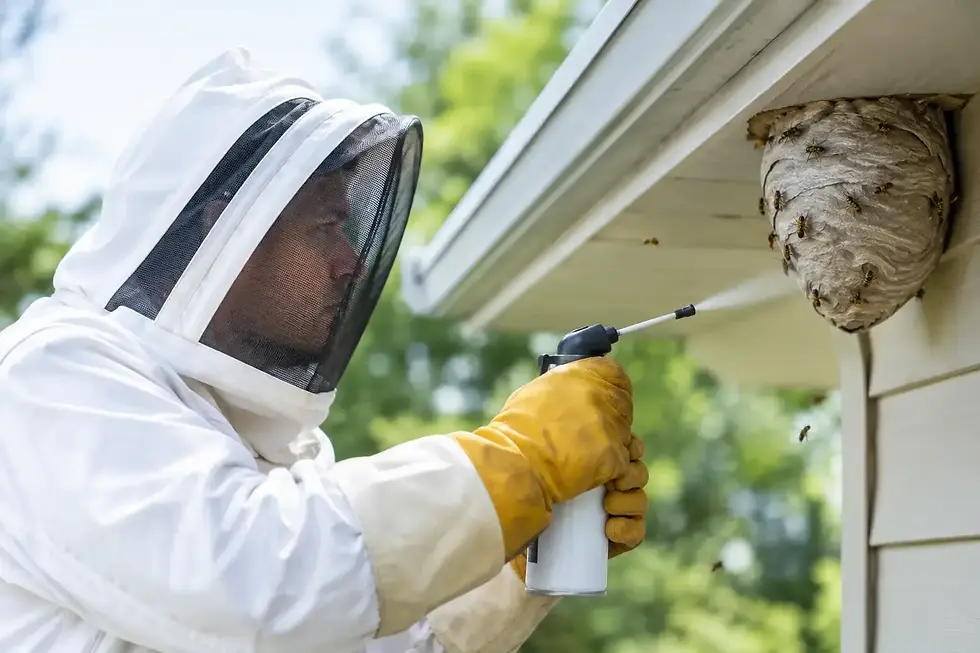
Professional help is especially valuable when pests keep returning, activity is widespread, or the issue involves rodents, cockroaches, stinging insects, or a food-service environment. A trained technician can identify the pest, locate likely entry points and harborage areas, and recommend a plan that accounts for your household or business operations.
Ask direct questions before service. What pest was identified? What treatment is being used and where will it be placed? What preparation is needed? When can children, pets, staff, and customers safely return to the area? What prevention steps will reduce future activity? A dependable provider should answer clearly and provide straightforward instructions, not vague reassurance.
For homes and businesses in Los Angeles and Orange County, pest pressure often comes from year-round warm weather, dense neighborhoods, shared walls, outdoor dining, landscaping, and frequent movement of goods and people. A thoughtful plan considers those local conditions instead of treating every property the same way.
Pest control should help you feel comfortable in your own space, not uncertain about it. Choose prevention first, use targeted treatment when it is needed, follow the instructions you are given, and do not wait for a small pest problem to become a larger one. A clear plan from a safety-conscious professional can protect your home or business while keeping the people and animals who matter most at the center of every decision.


Comments